Premier OBGYN Care
Postpartum Depression

Postpartum Depression
Motherhood is a journey of profound joy, but it also has challenges, particularly for the mental health of new mothers. Among these challenges, one of the most silent yet impactful is Postpartum Depression (PPD), a mental health condition that affects countless new mothers and their families. We’ll share insights into PPD, its symptoms, causes, and the importance of support systems, treatment options, and societal awareness.
I’ve been privileged to guide countless women through the rollercoaster of motherhood. Among the joys and celebrations, there are challenges. One such challenge, often cloaked in silence and misunderstanding, is Postpartum Depression or PPD.
Description:
- PPD is a mood disorder experienced by some new mothers after childbirth.
- It delves deeper than fleeting moments of sadness; instead, it’s characterized by persistent feelings of sadness, hopelessness, and a diminishing interest in daily life.
- Such feelings can profoundly affect a mother’s ability to care for herself and, in turn, her baby.
What is Postpartum Depression?
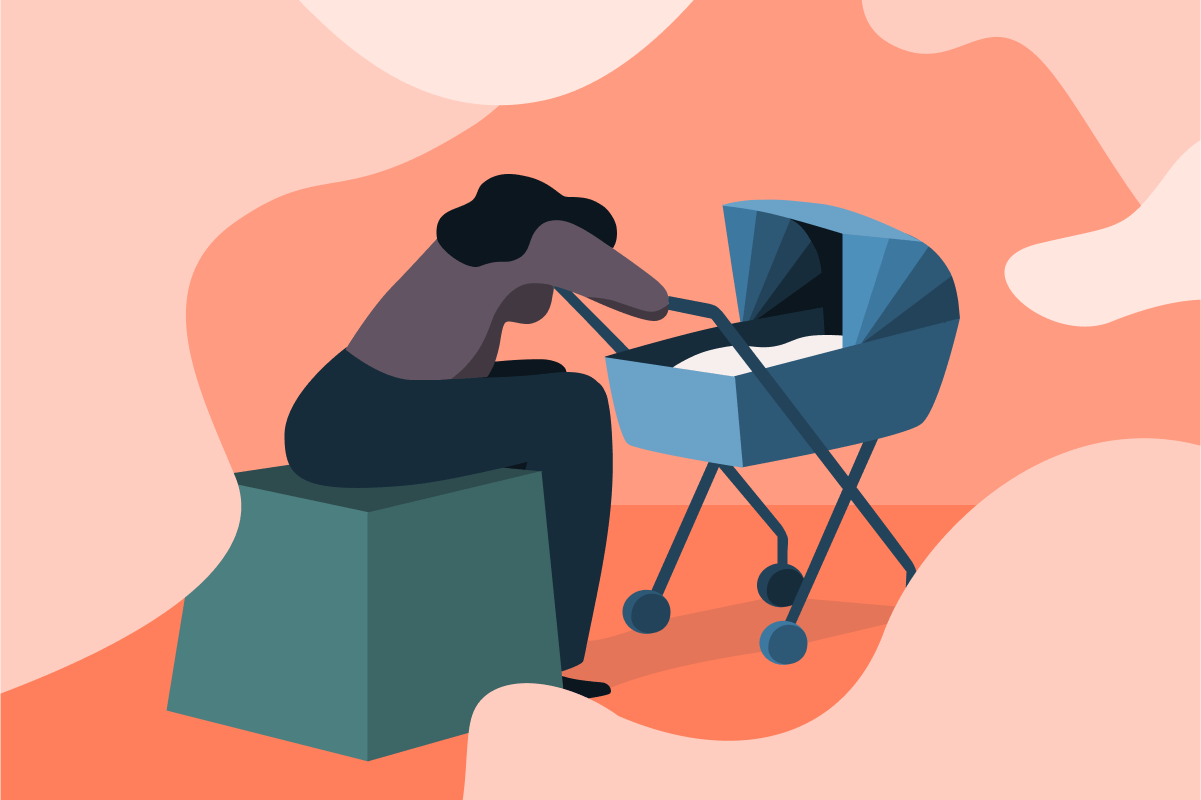
Postpartum depression is a type of perinatal depression, a mood disorder that extends beyond the typical “baby blues” many new mothers experience. While postpartum blues are common in the early postpartum period and typically subside within two weeks, postpartum depression is more intense and prolonged. Unlike the baby blues, postpartum depression symptoms—such as persistent sadness, hopelessness, anxiety, and a diminished interest in daily life—can profoundly impact a new mother’s ability to care for herself and her baby. Left unaddressed, untreated postpartum depression can have lasting effects on both mother and child, underscoring the importance of screening, early detection, and effective treatment.

Differences Between Baby Blues and Postpartum Depression
The postpartum blues are common, affecting up to 80% of new mothers with mood swings, feelings of exhaustion, and occasional tearfulness due to hormonal changes, physical recovery, and adjusting to around-the-clock care for the newborn. These baby blues are temporary and usually resolve without treatment within a few weeks.
In contrast, postpartum depression (PPD) is more severe and long-lasting, often accompanied by depressive symptoms such as anxiety, guilt, irritability, and even postpartum panic disorder. Some mothers may experience intrusive thoughts or feel disconnected from their baby, a condition sometimes referred to as postpartum OCD. Severe postpartum depression can require intervention from healthcare professionals to help mothers regain mental and emotional stability. Early postpartum depression screening using tools like the Edinburgh Postnatal Depression Scale can aid in distinguishing between mild postpartum mood disorders and more severe forms requiring specialized care.
Postpartum Depression Symptoms
PPD symptoms vary, but often include:
- Persistent fatigue beyond typical tiredness
- Difficulty sleeping or excessive sleep
- Appetite changes, such as overeating or undereating
- Intense feelings of guilt, hopelessness, or irritability
- Difficulty bonding with the baby, impacting maternal-infant attachment
- Thoughts of death or self-harm, indicating the need for urgent intervention
Recognizing these postpartum depressive symptoms is crucial for early intervention, allowing mothers and their families to seek timely help and access supportive resources. Awareness of these signs can help families differentiate PPD from common mood swings and connect affected mothers to necessary treatment options.


Women’s Health
Dr. Manriquez cares about you and wants you to be healthy through all phases of your life from maternity through menopause and beyond.
Substance Use
Dr. Manriquez specializes in caring for pregnant and parenting women with substance use disorders and is on the front lines of the opioid crisis.

Causes and Risk Factors for Perinatal Depression
The causes of PPD are complex, involving biological, psychological, and social factors:
Hormone levels: The sudden drop in estrogen and progesterone after birth can trigger significant mood changes, affecting women with a history of mood disorders more acutely.
Physical demands: Recovering from childbirth and managing newborn care, coupled with disrupted sleep, can amplify depression symptoms.
Emotional demands: Societal pressures to be a “perfect mother,” along with any personal or financial challenges, can lead to feelings of inadequacy and isolation.
Certain risk factors can increase susceptibility to PPD, including a family history of depression or bipolar disorder, previous experience with maternal depression or anxiety disorders, high levels of stress, and a lack of social support. Recognizing and addressing these risk factors early, such as through perinatal mental health counseling and proactive mental health screening during pregnancy, can be critical in preventing or managing postpartum depression.
Perinatal Depression and Maternal Mental Health
Perinatal depression includes both prenatal (before birth) and postnatal depression (after birth), encompassing a broader range of mental health conditions than just postpartum depression.
Maternal mental health issues, such as postpartum anxiety, postpartum OCD, and postpartum panic disorder, fall under the umbrella of perinatal mental health. This perspective helps healthcare providers address mental health concerns both before and after delivery, promoting early intervention and comprehensive support for women throughout their journey into motherhood.
Raising awareness of perinatal mental health can help women feel more comfortable discussing their experiences and seeking help when needed.
Finding Help for Perinatal Depression
Seeking help is a crucial step for mothers experiencing perinatal depression, as there are multiple avenues of support available:
National Maternal Mental Health Hotline: Provides immediate, confidential support and guidance for mothers in need.
Postpartum Support International (PSI): Offers a network of mental health professionals, local support groups, and resources to connect mothers with professional care.
Primary care doctors, psychiatrists, psychologists, and social workers: These mental health professionals provide counseling, medication management, and support services to aid recovery from PPD.
Support groups: Joining groups, either in person or online, can help mothers share their experiences with others who understand, offering both emotional support and validation.
Mothers may benefit from mental health counseling, structured treatment plans, and postpartum depression facts to understand their condition better. Accessing these resources can significantly impact a mother’s recovery, helping her feel less isolated and more empowered to manage her mental health.

Treatment Options for Perinatal Depression
PPD treatment is individualized, often combining different therapies to suit each mother’s needs:
Psychotherapy: Cognitive Behavioral Therapy (CBT) and interpersonal therapy (IPT) are effective treatments for PPD, helping mothers address negative thought patterns and build coping skills.
Antidepressants: Selective serotonin reuptake inhibitors (SSRIs), approved by the FDA, are commonly prescribed for perinatal depression with careful monitoring for side effects.
Emerging treatments: Recent clinical trials have explored innovative treatments like brexanolone and zuranolone, which target brain receptors associated with mood. Continued research into these treatments may lead to more effective and faster-acting options for severe PPD.
These treatment options emphasize the need for a supportive and personalized approach, empowering mothers with tools to address the mental health challenges of the postpartum period.
Yes, Postpartum Depression (PPD) is a disability under the Americans with Disabilities Act (ADA). The ADA defines a disability as a condition that substantially limits one or more major life activities. PPD can substantially limit a person’s ability to work, care for themselves, or participate in social activities.
The Importance of Clinical Trials in Advancing Treatment
Clinical trials are essential in improving our understanding and treatment of PPD and other perinatal mental health conditions. Trials focused on medications like brexanolone are paving the way for treatments targeting the specific brain receptors involved in mood regulation, offering hope for those with severe postpartum depression.
Additionally, clinical trials closely monitor side effects, risks of birth defects, and the efficacy of medications, helping ensure the safety of mothers and infants. Research in this area remains crucial as it informs evidence-based treatment practices and improves maternal mental health care.
Support from Family and Friends
Family and friends play a vital role in helping mothers manage PPD. Partners, parents, and friends can provide practical support by assisting with daily tasks, caring for the baby, or accompanying the mother to mental health counseling appointments.
A supportive network offers emotional understanding, helping mothers feel seen, valued, and less isolated in their journey. Recognizing signs of distress, such as changes in mood or increased withdrawal, allows loved ones to encourage mothers to seek professional help early.
Postpartum Psychosis: A Rare but Severe Condition
Postpartum psychosis is a rare yet severe mental health condition that can emerge within days after childbirth. Unlike PPD, postpartum psychosis often involves delusions, hallucinations, confusion, paranoia, and mania.
This condition is considered a psychiatric emergency, often requiring immediate hospitalization and professional care to ensure the safety of both mother and child. Awareness of postpartum psychosis is critical, as early intervention can prevent harm and facilitate recovery.
The Role of Society in Supporting Maternal Mental Health
Society has a significant role in supporting maternal mental health through policies and community awareness. Access to extended maternity leave, affordable childcare, and mental health education in workplaces can help new mothers feel supported and less isolated.
By promoting womens health initiatives and emphasizing the importance of postpartum depression facts and treating postpartum depression, we can work toward a society that values the well-being of mothers, enabling them to access resources and care without stigma.
To all new mothers: Postpartum depression is not a reflection of your love or capability. It is a mental health condition that deserves compassion, understanding, and professional support. Partners and family, your patience, empathy, and involvement can be invaluable to a mother facing PPD. Together, we can create a community that offers support, breaks down the stigma around maternal mental health, and helps every mother feel seen, valued, and cared for.
Through awareness and compassion, we can empower mothers to recognize postpartum depression symptoms, access effective treatments, and embrace their journey with resilience. With societal support, education, and community resources, we can ensure that every mother has the tools and empathy needed to thrive in her role as a caregiver and as a postpartum woman building a healthy life for herself and her family.